How Stress Impacts Your Nervous System
Stress is not just something that happens in your mind, it is something that happens in your body.
Every stressful experience you have ever had, whether it was an argument, financial worry, pressure at work, illness, loss, or simply trying to keep up with the pace of life, is processed through your nervous system first.
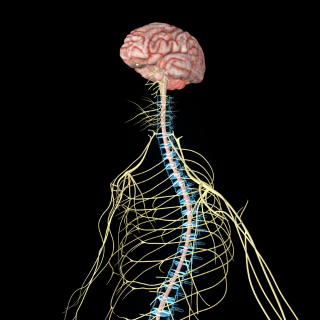
Your nervous system is the control centre for how your body responds to the world around you. It constantly scans your environment asking one simple question:
Am I safe, or am I under threat?
When it senses safety, your body relaxes, digestion works well, sleep is easier, your mind is clearer and your energy flows more naturally.
When it senses threat, the body prepares to survive.
This is where stress begins to impact your nervous system.
The Nervous System's Stress Response
Your nervous system is designed to protect you. When it detects danger, it activates what is commonly known as the fight or flight response.
This response is controlled largely by the sympathetic branch of the autonomic nervous system.
In this state your body automatically prepares for action.
Your heart rate increases
Breathing becomes faster and shallower
Muscles tighten
Digestion slows down
Blood pressure rises
Stress hormones like cortisol and adrenaline are released
All of this is incredibly useful if you are facing a real physical threat.
If a car suddenly swerves towards you or you need to react quickly in an emergency, this response can save your life.
The problem is that in modern life, the nervous system often cannot tell the difference between a real physical danger and ongoing psychological stress.
Deadlines, family pressure, financial worries, constant notifications, lack of sleep, and emotional strain can all trigger the same survival response.
And unlike a short burst of danger, these stressors can remain present for weeks, months or even years.
When Stress Becomes Chronic
Your nervous system is designed to move in and out of stress, not to stay there.
After a stressful event, the body is supposed to return to a regulated state where the parasympathetic nervous system takes over, helping you relax, repair and restore.
But many people today never fully return to this state.
Instead, the body remains stuck in a cycle of low level survival.
Over time this can lead to a nervous system that is constantly on edge.
You may notice things like
Constant tension in the body
Trouble sleeping or waking during the night
Digestive problems
Feeling overwhelmed by small things
Brain fog or poor concentration
Low energy even after rest
Frequent headaches or muscle pain
Feeling anxious or restless
Emotional ups and downs
Becoming easily irritated or reactive
These are not simply personality traits or signs of weakness.
They are often signs that the nervous system has been under pressure for too long.
The Hidden Load the Body Carries
One of the most important things to understand is that the nervous system does not just respond to what is happening today.
It also remembers past stress.
If someone has experienced repeated stress, emotional trauma, long periods of pressure, or difficult life circumstances, the nervous system can begin to operate as if stress is the normal baseline.
This means the body becomes hyper alert, constantly scanning for potential problems.
Even small challenges can trigger a strong response.
The person may feel like they are always "on edge", even when nothing is actually wrong.
Other people experience the opposite pattern.
Instead of feeling wired or anxious, they feel flat, numb or exhausted. This happens when the nervous system moves into a protective shutdown response after being overwhelmed for too long.
Both patterns are ways the body tries to protect itself.
Stress Is Not Just Mental, It Is Physical
Many people try to manage stress purely through thinking differently.
While mindset can certainly help, the nervous system is primarily a body based system.
That means stress is stored and expressed physically.
Tight shoulders
Clenched jaw
Shallow breathing
Tension in the lower back
Digestive discomfort
Chronic fatigue
A sense of pressure in the chest
These are all ways the body shows that it is still carrying stress.
If the body never gets the chance to release and regulate this tension, it can slowly accumulate over time.
Supporting a Healthier Nervous System
The good news is that the nervous system is highly adaptable. With the right support it can learn to move out of survival mode and back into a more balanced state.
This process is often called nervous system regulation.
Some of the most effective ways to support this include
Breathing practices that slow and deepen the breath, helping signal safety to the body.
Gentle movement such as walking, stretching or mindful exercise that releases stored tension.
Body based awareness practices that help you reconnect with physical sensations rather than staying trapped in constant mental activity.
Quality sleep and recovery, which allows the nervous system to repair itself.
Safe connection with others, which plays a powerful role in calming the nervous system.
Reducing constant stimulation, including excessive screen time and information overload.
Even small daily changes can make a meaningful difference.
Learning to Work With Your Nervous System
Your nervous system is not your enemy. It is a deeply intelligent system designed to keep you alive.When stress begins to overwhelm it, the symptoms you experience are not failures. They are signals.Signals that your body may need support, rest, safety, and regulation.When you start learning how your nervous system works, many things begin to make sense.You realise that your anxiety, fatigue, tension, or emotional reactivity are not random problems.They are the body's way of asking for balance.
And the more we learn to listen to these signals, the easier it becomes to bring the system back into harmony.
If you recognise yourself in any of this, nervous system work can help your body find its way back to balance and safety.
You can explore working with Judith here → Work With Me.
What does chronic stress do to the nervous system?
Chronic stress keeps the sympathetic nervous system activated for extended periods. Over time this can dysregulate the entire stress response system, making the body hypervigilant, depleting energy reserves, disrupting sleep, and impairing digestion, mood, and concentration.
Can stress cause physical illness?
Yes. Long-term nervous system activation affects immune function, digestion, hormonal balance, cardiovascular health, and sleep. Many physical conditions are either caused or worsened by sustained stress activation.
Why do small things feel overwhelming when I am stressed?
When the nervous system has been under pressure for a long time, it begins operating with a lower threshold for activation. What would normally feel manageable becomes difficult because the body is already running close to its stress limit.
Is feeling numb or flat a sign of stress?
Yes. When the fight or flight response has been active for too long, the nervous system can shift into a shutdown or freeze state. This often shows up as emotional flatness, disconnection, low motivation, or exhaustion. It is a protective response, not a personal failing.
How long does it take to recover from chronic stress?
Recovery depends on how long the stress has been present and what support is available. Many people notice early improvements within weeks of beginning regulation practices. Deeper nervous system rebalancing, particularly after years of high stress, takes longer and benefits from consistent daily practice and professional support.