Anxiety and the Nervous System
A simple guide to understanding why your body feels the way it does.
Anxiety is one of the most common experiences people face today. Yet for many, it still feels confusing, overwhelming, and deeply personal.
People often say things like:
“I don’t know why I feel like this.”
“Nothing is wrong, but I can’t relax.”
“My mind won’t stop.”
The truth is, anxiety is not simply something happening in your mind. It is something happening in your nervous system.
When we begin to understand anxiety through the lens of the nervous system, it stops feeling like a personal flaw and starts to make sense as a biological response designed to protect you.
This article explores how anxiety shows up in the body, why it happens, and what your nervous system may be trying to tell you.
Anxiety Is a Nervous System State
Your nervous system constantly scans the world around you, and inside you, looking for signals of safety or danger.
This process happens mostly outside of conscious awareness. It is part of the autonomic nervous system, which regulates survival responses such as fight, flight, freeze, and rest.
When your brain senses a potential threat, real or perceived, it activates the sympathetic nervous system, the part responsible for mobilising the body into action.
This response evolved to keep humans alive. If our ancestors encountered danger, the body needed to react instantly.
The heart speeds up, breathing changes, muscles tighten, attention sharpens, and stress hormones such as cortisol and adrenaline are released.
In a short-term survival situation this is incredibly useful.
But when the nervous system becomes chronically activated, anxiety begins to appear.

When Anxiety Becomes a Daily Experience
For many people today, anxiety does not come from one obvious danger. Instead it builds slowly from the accumulation of everyday stressors.
Work pressure
Financial concerns
Relationship difficulties
Lack of rest
Constant digital stimulation
Unprocessed emotional experiences
Over time, the nervous system can become conditioned to stay in a state of alertness.
This is when people begin to notice symptoms such as:
-
Feeling on edge for no clear reason
-
Difficulty switching off or relaxing
-
Racing thoughts at night
-
A sense that something bad might happen
-
Restlessness in the body
-
Tightness in the chest or stomach
-
Shallow breathing
-
Trouble concentrating
Many people describe this as feeling like their body is always “on”.
Your nervous system is trying to keep you safe. It just hasn't received the signals yet that it is allowed to relax.
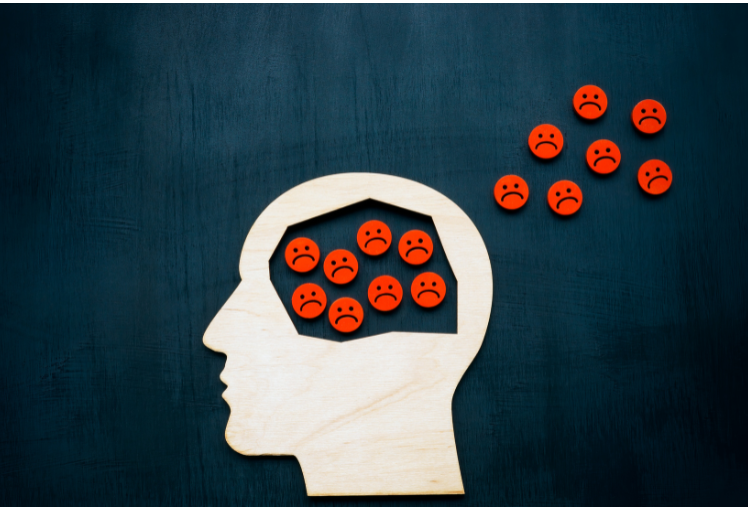
The Body Often Speaks Before the Mind
One of the most misunderstood aspects of anxiety is that the body often reacts before the conscious mind understands why.
You may notice:
-
Your heart beating faster in a meeting
-
A tight knot in your stomach before a phone call
-
A sense of dread on Sunday evening before the week begins
Your nervous system has learned patterns based on past experiences.
The amygdala, a small structure deep within the brain, stores emotional memory related to threat and safety. When it recognises something familiar, even subtly, it can trigger a response before the thinking brain has had time to analyse the situation.
This is why anxiety can sometimes appear suddenly, even when everything seems fine.
Your body is responding to patterns it has learned, not necessarily to the present moment.
Why Modern Life Fuels Anxiety
Human nervous systems evolved in environments very different from the world we now live in.
Our ancestors faced short bursts of danger followed by long periods of recovery.
Today, many people experience low-level stress throughout the entire day.
Emails
Deadlines
Notifications
Traffic
News cycles
Social media comparison
The nervous system struggles when it does not get enough opportunities to return to the parasympathetic state, the part of the system responsible for rest, digestion, repair, and emotional balance.
Without regular recovery periods, the body begins to live in a constant loop of activation.
This is not weakness. It is physiology.
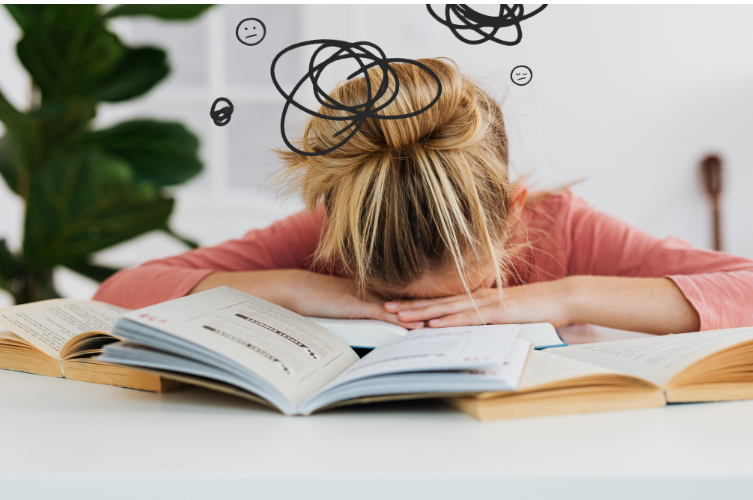
Anxiety Can Show Up in Many Different Ways
Anxiety does not look the same for everyone.
Some people experience it primarily in their thoughts.
Their mind constantly analyses, plans, and prepares for worst-case scenarios.
Others experience it more physically.
Examples include:
-
Tight shoulders and neck
-
Jaw clenching
-
Digestive discomfort
-
Fatigue despite feeling wired
-
Difficulty breathing deeply
-
Headaches or pressure in the head
Some people feel both mental and physical symptoms at the same time.
What they all have in common is a nervous system that has become stuck in a state of protection.
Why “Just Relax” Doesn’t Work
One of the most frustrating parts of anxiety is hearing people say things like:
“Just calm down.”
“Stop worrying.”
“Think positive.”
Unfortunately, anxiety is not something you can simply think your way out of.
The thinking brain, the prefrontal cortex, only comes fully back online once the nervous system feels safe again.
If the body is in survival mode, the brain prioritises protection rather than logic.
This is why many approaches to anxiety now focus on regulating the nervous system through the body, rather than trying to control thoughts alone.
Breathing practices
Movement
Somatic awareness
Grounding techniques
Body based relaxation
These methods send signals of safety back into the nervous system.
Over time, the body learns that it does not need to stay on high alert.

Anxiety Is Not a Personal Failure
Perhaps the most important thing to understand is this.
Anxiety is not a sign that you are weak, broken, or incapable.
It is a signal.
Your nervous system is asking for support, rest, regulation, or safety.When people begin to learn how their nervous system works, something powerful often happens.Instead of fighting their anxiety, they begin to understand it.Instead of judging their reactions, they become curious about what their body might be trying to communicate.
And from that place, change becomes possible.
If you recognise yourself in any of this, nervous system work can help your body find its way back to balance and safety.
You can explore working with Judith here → Work With Me
Is anxiety a nervous system problem?
Anxiety is often a nervous system response rather than simply a psychological issue. When the sympathetic nervous system becomes chronically activated, the body stays in a mild fight or flight state, which produces the feelings people recognise as anxiety.
Why can't I just think my way out of anxiety?
Because anxiety is a body-based response, not just a thought pattern. The thinking brain only comes fully back online once the nervous system feels safe again. This is why approaches that work directly with the body, such as breathwork, somatic practices, and grounding, are often more effective than willpower alone.
Why does anxiety feel worse in the morning or at night?
Cortisol naturally peaks in the morning, which can intensify anxious feelings on waking. At night, when stimulation drops, the nervous system can become more aware of its own activation. Both are signs the system is running at a heightened baseline.
Can modern life cause anxiety even if nothing is seriously wrong?
Yes. The nervous system cannot always distinguish between psychological stress and physical danger. Constant emails, deadlines, notifications, and social pressure can trigger the same survival response as a genuine threat, keeping the body in a low-level state of activation.
What is the difference between anxiety and a dysregulated nervous system?
They are closely related. Anxiety is often the experience people are aware of. Nervous system dysregulation is the underlying biological state driving it. Addressing the nervous system directly tends to produce more lasting results than managing anxiety symptoms alone.